Varicose veins are a common condition that affects many adults and can lead to discomfort, swelling, aching, and visible changes in the appearance of the legs. While some people view them as a cosmetic issue, varicose veins can also signal circulation concerns that deserve medical attention. Fortunately, modern varicose vein treatment options offer patients several ways to address symptoms and improve vein health without relying on outdated surgical procedures.
Choosing the right treatment often depends on the severity of the condition, the patient’s lifestyle, and the recommendations of a qualified vein specialist. Advances in vein care have made treatment more comfortable and effective than many people realize. In fact, according to Karing Hearts, an estimated 50% of people in the United States over the age of 50 experience varicose veins, showing how widespread this condition has become. Understanding available treatment options can help patients feel more confident about taking the next step toward healthier legs.
1. Explore Compression Therapy
Compression therapy is often one of the first recommendations for individuals experiencing mild symptoms related to varicose veins. Compression garments are designed to apply gentle pressure to the legs, encouraging healthy blood circulation and helping reduce swelling, fatigue, and discomfort throughout the day.
Many patients find that compression therapy helps manage symptoms during long periods of standing or sitting. This conservative form of varicose vein treatment may also support circulation for individuals who are not yet ready for procedural intervention or who are looking for symptom relief while exploring additional treatment options.
Medical providers typically recommend properly fitted compression garments because different compression levels may be appropriate depending on the patient’s condition. Wearing them consistently can help improve comfort and reduce the heavy sensation often associated with vein issues.
Although compression therapy may provide relief, it does not remove damaged veins. Instead, it serves as a supportive measure that can complement other vein care treatments. Patients experiencing persistent symptoms should still consult a vein specialist to determine whether additional care may be necessary.
2. Consider Sclerotherapy
Sclerotherapy is a widely used varicose vein treatment that targets damaged veins through a minimally invasive approach. During the procedure, a specialized solution is injected into the affected vein, causing the vein walls to collapse and gradually fade from view over time.
This treatment is commonly recommended for smaller varicose veins and spider veins. Patients often appreciate that the procedure can typically be completed in an office setting with little interruption to daily activities. Many individuals return to their normal routines shortly after treatment.
One reason sclerotherapy remains popular is its ability to improve both comfort and appearance. Patients frequently seek treatment because varicose veins may cause aching, burning sensations, or self-consciousness about visible veins. By addressing these concerns simultaneously, sclerotherapy can help patients feel more comfortable physically and emotionally.
Vein specialists evaluate circulation and vein health before recommending this procedure. A customized treatment plan helps ensure the most appropriate areas are targeted while supporting healthy blood flow throughout the legs.
3. Evaluate Endovenous Laser Therapy
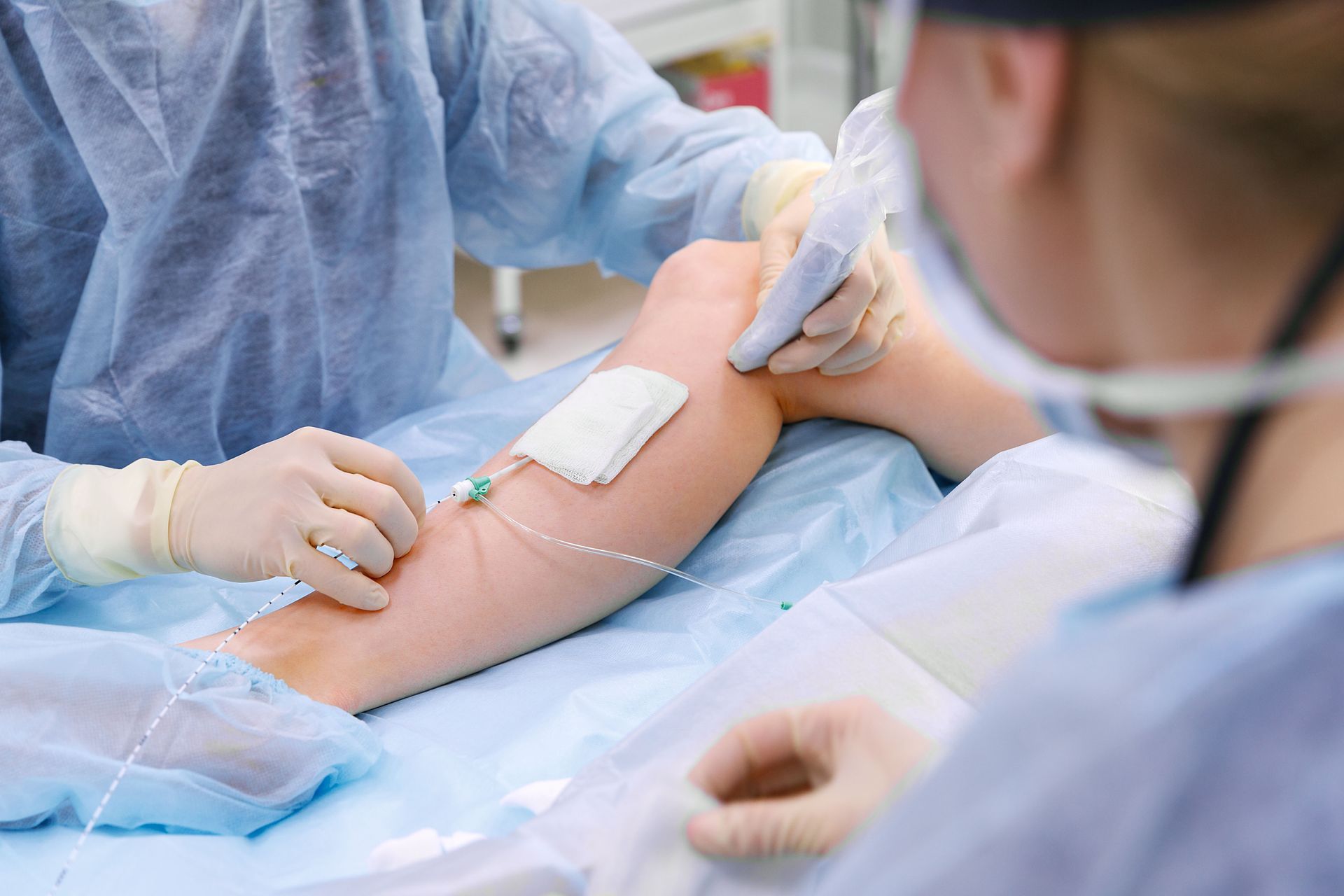
Endovenous laser therapy has become an increasingly common option for patients seeking advanced varicose vein treatment. This procedure uses targeted laser energy to close damaged veins from within, redirecting blood flow to healthier veins nearby.
During treatment, a small fiber is inserted into the affected vein using image guidance technology. The laser energy gently heats the vein, allowing it to seal shut over time. Because the procedure is minimally invasive, many patients experience less discomfort and shorter recovery periods compared to older surgical methods.
Patients often choose laser therapy because it can effectively address larger varicose veins while minimizing visible scarring. The procedure is typically performed under local anesthesia, allowing individuals to remain comfortable throughout the process.
Another advantage of endovenous laser therapy is its precision. Vein specialists can carefully target problematic veins while preserving surrounding tissues. This makes the treatment an appealing option for individuals seeking reliable symptom relief and cosmetic improvement without extensive downtime.
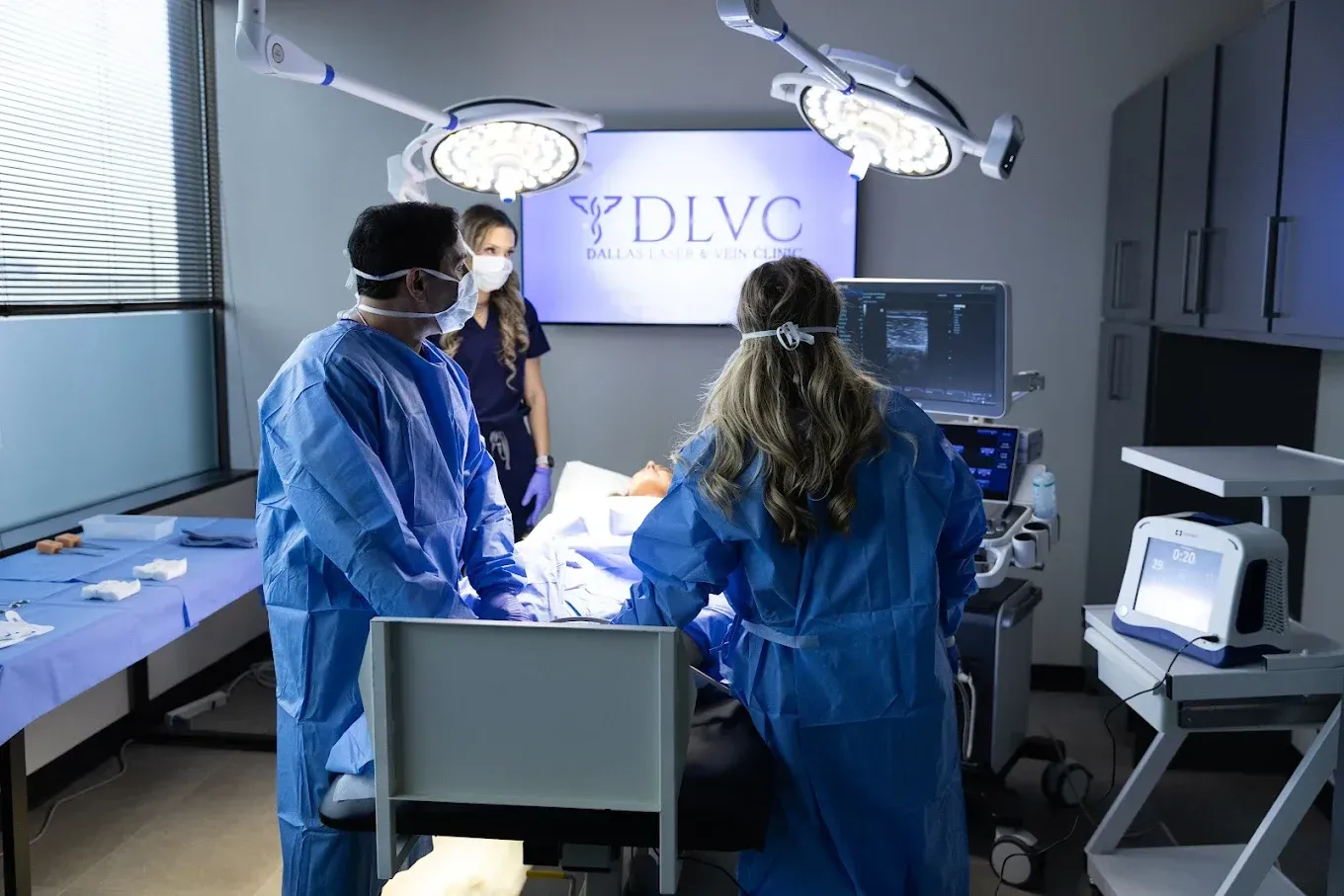
As with any vein procedure, a professional evaluation is essential. Ultrasound imaging is often used to determine which veins are contributing to circulation issues before creating a personalized treatment plan.
4. Learn About Radiofrequency Ablation
Radiofrequency ablation is another minimally invasive varicose vein treatment that focuses on closing damaged veins using controlled heat energy. Instead of laser energy, this procedure uses radiofrequency waves to heat the vein walls and encourage closure.
Many patients are drawn to radiofrequency ablation because it is designed to reduce discomfort during and after treatment. The controlled delivery of heat allows providers to treat veins with precision while supporting a smoother recovery process.
This option is commonly recommended for larger veins that contribute to symptoms such as aching, throbbing, swelling, or heaviness in the legs. By closing unhealthy veins, circulation can improve as blood naturally reroutes through healthier pathways.
Patients undergoing radiofrequency ablation often appreciate the convenience of outpatient treatment and the ability to resume many normal activities relatively quickly. Vein specialists typically provide aftercare instructions that support healing and circulation following the procedure.
The success of this treatment depends on careful evaluation and planning. Diagnostic imaging helps identify the affected veins and ensures the treatment targets the root cause of the symptoms rather than only addressing surface concerns.
5. Discuss Ambulatory Phlebectomy
Ambulatory phlebectomy is a procedure designed to remove visible varicose veins through very small incisions in the skin. This varicose vein treatment option is often recommended for veins that are too large for certain injectable treatments but still suitable for minimally invasive removal.
During the procedure, the provider carefully extracts the damaged veins while minimizing disruption to the surrounding tissue. Because the incisions are very small, visible scarring is typically limited, making this an appealing option for patients concerned about cosmetic outcomes.
Many individuals seek ambulatory phlebectomy when bulging veins create discomfort or affect confidence in wearing certain clothing. Removing the problematic veins can help improve leg appearance while also reducing symptoms associated with poor circulation.
Recovery from ambulatory phlebectomy is often manageable for many patients. Providers may recommend walking regularly after treatment to encourage healthy circulation and support healing. Compression garments may also be part of the recovery process, depending on the patient’s needs.
This procedure is often combined with other vein treatments as part of a comprehensive care plan. Vein specialists evaluate each patient individually to determine which combination of treatments may provide the best long-term results.
6. Understand Surgical Vein Procedures
Although minimally invasive treatments have become more common, surgical procedures may still be appropriate in certain cases involving severe or advanced varicose veins. Surgical varicose vein treatment is generally considered when other approaches may not adequately address the condition.
Traditional vein surgery focuses on removing or tying off damaged veins to improve circulation and reduce symptoms. Advances in surgical techniques have improved patient comfort and recovery compared to older methods previously used in vein care.
Patients with significant vein damage, chronic discomfort, or complications related to circulation may benefit from discussing surgical options with a qualified specialist. Surgery may also be considered when varicose veins interfere with mobility or contribute to skin changes and persistent swelling.
The decision to pursue surgery depends on multiple factors, including overall health, symptom severity, and the structure of the affected veins. Comprehensive diagnostic evaluations help providers determine whether surgery or minimally invasive treatment would be the most appropriate path forward.
While surgery may require a longer recovery period than some office-based procedures, modern techniques continue to improve patient outcomes and satisfaction. Careful follow-up and ongoing circulation management remain important after treatment.
Varicose veins can affect comfort, confidence, and overall quality of life, but patients now have access to several effective treatment options designed to improve circulation and reduce symptoms. From conservative approaches like compression therapy to advanced minimally invasive procedures, modern vein care offers solutions tailored to each patient’s needs and goals. Seeking professional evaluation early can help prevent symptoms from progressing and provide a clearer understanding of the best available treatment options.
If you are exploring professional care for vein concerns, our team at Dallas Laser & Vein Clinic can help guide you through personalized
varicose vein treatment options designed to support healthier circulation and long-term comfort.