March 27, 2026
Maternal health plays a critical role in supporting both the mother and her developing baby throughout pregnancy. Among the many physical changes that occur, varicose veins are a common concern that can cause discomfort and, in some cases, lead to more serious complications. Understanding why these veins develop and how they affect the body is essential for managing symptoms effectively. With the right knowledge and early intervention, expectant mothers can take proactive steps to maintain comfort and protect their overall well-being during pregnancy through timely varicose vein treatment.
Definition and Causes of Varicose Veins
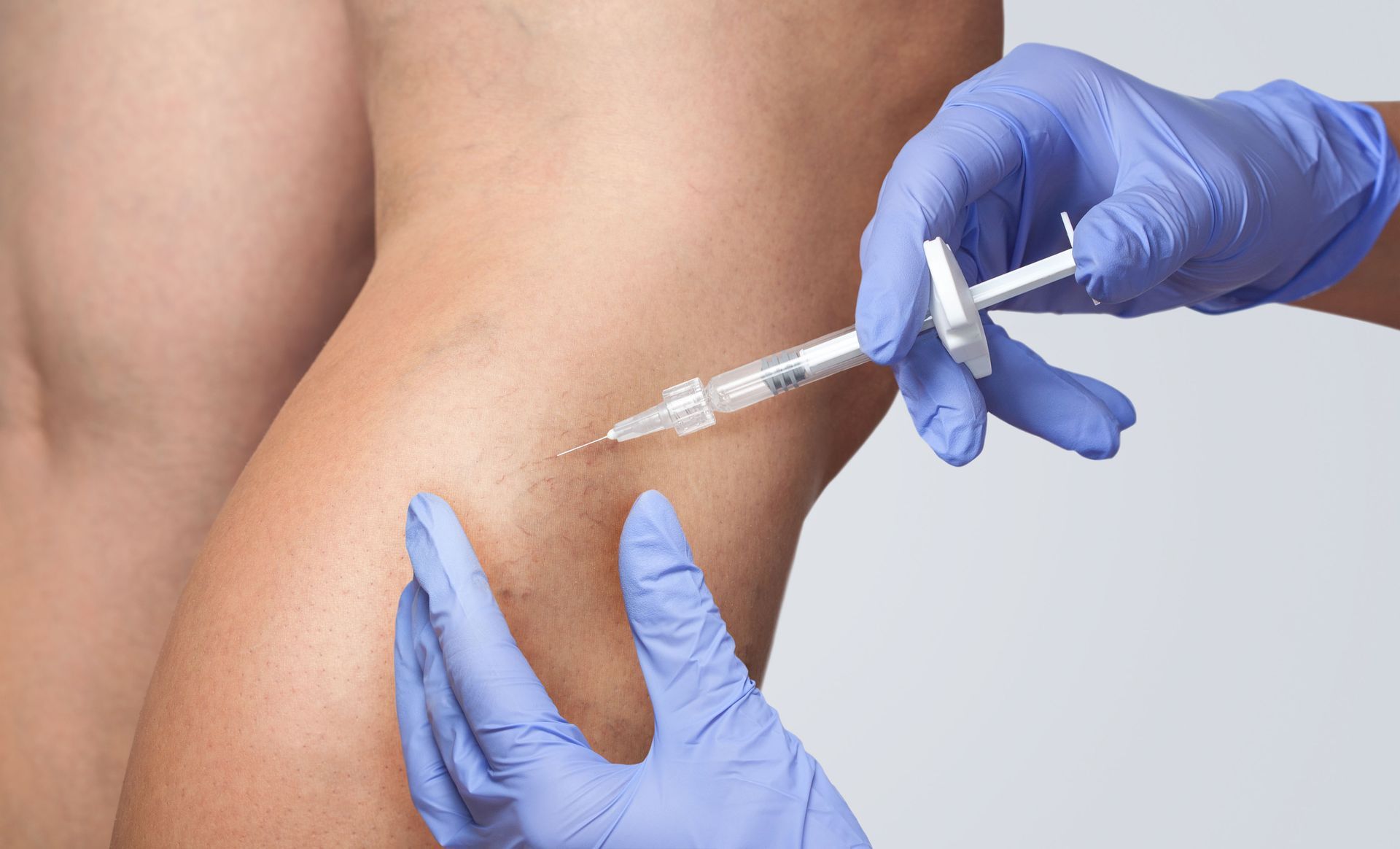
Varicose veins are swollen, twisted blood vessels that become prominent under the skin. They most commonly occur in the legs, but can also develop in other areas. The condition arises when veins become enlarged due to weakened walls or faulty valves, causing blood to pool instead of flowing backward to the heart. Factors such as hormonal changes, increased blood volume, and pressure from the growing uterus can exacerbate the condition during pregnancy. Understanding the causes is pivotal in taking preventative measures and exploring appropriate varicose vein treatment options.
Pregnancy significantly heightens the risk of developing varicose veins due to physiological changes that occur during this critical period. The additional weight and increased blood flow are prominent contributors that put extra pressure on leg veins. Hormonal changes, especially increased progesterone levels, also play a role in softening vein walls, making them more susceptible. Prolonged standing or sitting can further elevate the risk by restricting proper blood circulation. By recognizing these contributing factors, women can manage symptoms and reduce the likelihood of severe incidents with early varicose vein treatment.
Impact on Maternal Health During Pregnancy
The presence of varicose veins during pregnancy not only poses cosmetic concerns but also impacts maternal health. Symptoms such as aching, heaviness, and swollen legs can impede daily activities and reduce overall quality of life. Moreover, varicose veins may affect a mother's ability to exercise or engage in physical activities, both of which are crucial for maintaining fitness during pregnancy. If unmanaged, the condition can lead to complications like superficial thrombophlebitis, where inflammation occurs in superficial veins. Addressing these risks with proper varicose vein treatment is paramount for ensuring continued maternal health.
The strain that varicose veins place on a woman’s body during pregnancy can exacerbate feelings of fatigue and discomfort. These symptoms, if not managed adequately, may lead to increased stress and anxiety, potentially affecting mental well-being. Good maternal health practices involve balancing physical and psychological health aspects, ensuring both mother and child thrive. Early recognition and management of varicose veins can significantly alleviate these debilitating symptoms and enhance overall health outcomes. Consequently, awareness and timely intervention become a mother's allies in safeguarding her well-being.
Common Symptoms to Recognize
Identifying the symptoms of varicose veins early can help in obtaining appropriate treatment promptly. Common symptoms include visible, bulging veins, typically blue or purple, on the legs. They can cause heaviness, aching discomfort, and swelling in the surrounding areas. Some women may experience itching or a burning sensation around the affected veins. As these symptoms can worsen over time, especially as the pregnancy progresses, it is essential to seek evaluation from healthcare professionals once these signs emerge to determine the need for varicose vein treatment.
The intensity of symptoms can vary significantly from mild cosmetic concerns to severe discomfort affecting daily life. In addition to leg pain and visible veins, some women may experience cramps or restless legs syndrome, particularly at night. These symptoms can interfere with sleep quality, further contributing to fatigue and stress levels. Unmanaged varicose veins also carry the risk of bleeding or ulceration in severe cases. Prompt recognition and management of these symptoms are imperative for maintaining comfort and preventing complications.
Why Varicose Veins are Common in Pregnancy
Varicose veins are notably common during pregnancy, with approximately 40% of women developing them, according to the NIH. This prevalence is largely attributed to specific hormonal and physiological conditions associated with pregnancy. Hormonal changes, especially those involving progesterone, cause softening and relaxation of blood vessel walls. Additionally, the uterus's increasing size exerts greater pressure on the veins in the pelvic area and lower body, further contributing to their development. The combination of these factors makes pregnant women significantly more susceptible to this vein condition.
The body's adaptations during pregnancy are critical for nurturing the developing fetus, but can contribute to the development of varicose veins inadvertently. With an increased blood supply necessary to support fetal growth, veins take on additional load and pressure. As blood vessels in the legs are already working against gravity to return blood to the heart, this extra pressure can make them more prone to becoming varicose. Understanding this interaction between pregnancy-related changes and vein health underscores the importance of adopting preventative measures early in pregnancy.
Potential Complications if Left Untreated
If left untreated without timely varicose vein treatment, varicose veins can progress and lead to several complications, emphasizing the need for early intervention. A primary concern is the development of blood clots, known as deep vein thrombosis (DVT), which is a serious and potentially life-threatening condition. Other complications include chronic venous insufficiency, where prolonged inadequate blood return causes blood to pool in the veins, leading to skin changes and ulcers. Additionally, severe and untreated cases may result in bleeding from varicose veins, an increased risk of infection, and slow healing.
The impact of untreated varicose veins extends beyond physical symptoms, affecting psychological health and overall quality of life. Persistent pain and discomfort can interfere with daily activities and rest, leading to fatigue and diminished mood. The uncertainty of potential complications can also contribute to increased anxiety during pregnancy. Addressing these veins early can alleviate symptoms and reassure expectant mothers about their overall health status. Investing in early varicose vein treatment effectively minimizes risks, ensuring safer and more comfortable maternal health experiences.
Identifying Early Signs of Varicose Veins
Identifying varicose veins early during pregnancy is pivotal for effective management and prevention of complications. Pregnant women should be vigilant for initial symptoms such as visible, bulging, bluish veins and accompanying discomfort in the legs. Monitoring these signs can help detect potential issues before they worsen. Early recognition allows for timely intervention, which significantly reduces the risk of complications and improves maternal comfort and health. Women should not hesitate to report any concerns to their healthcare provider to facilitate early diagnosis and varicose vein treatment.
Varicose veins' early signs can sometimes mimic other common pregnancy-related discomforts, hence the need for careful distinction. Persistent leg cramps, itchiness, or swelling beyond typical pregnancy edema should prompt further evaluation for varicose veins. Pregnant women need to maintain regular check-ups with their healthcare providers to screen for signs of varicose veins. Early detection can minimize progression and allow for effective management strategies that enhance overall pregnancy experiences. These preventive approaches help maximize maternal well-being and comfort during pregnancy.
Importance of Regular Check-Ups
Regular check-ups with healthcare providers are essential for monitoring varicose vein development during pregnancy. Scheduled appointments provide opportunities for assessing vein health and ensuring early intervention can be initiated if needed. These check-ups are not just reactive but preventive, addressing vein concerns before they escalate or lead to significant complications. Practitioners can offer guidance on maintaining healthy circulation and discuss symptoms to watch for. Prioritizing these reviews underscores the commitment to proactive maternal health management and helps ensure that both mother and baby remain healthy throughout each stage of pregnancy.
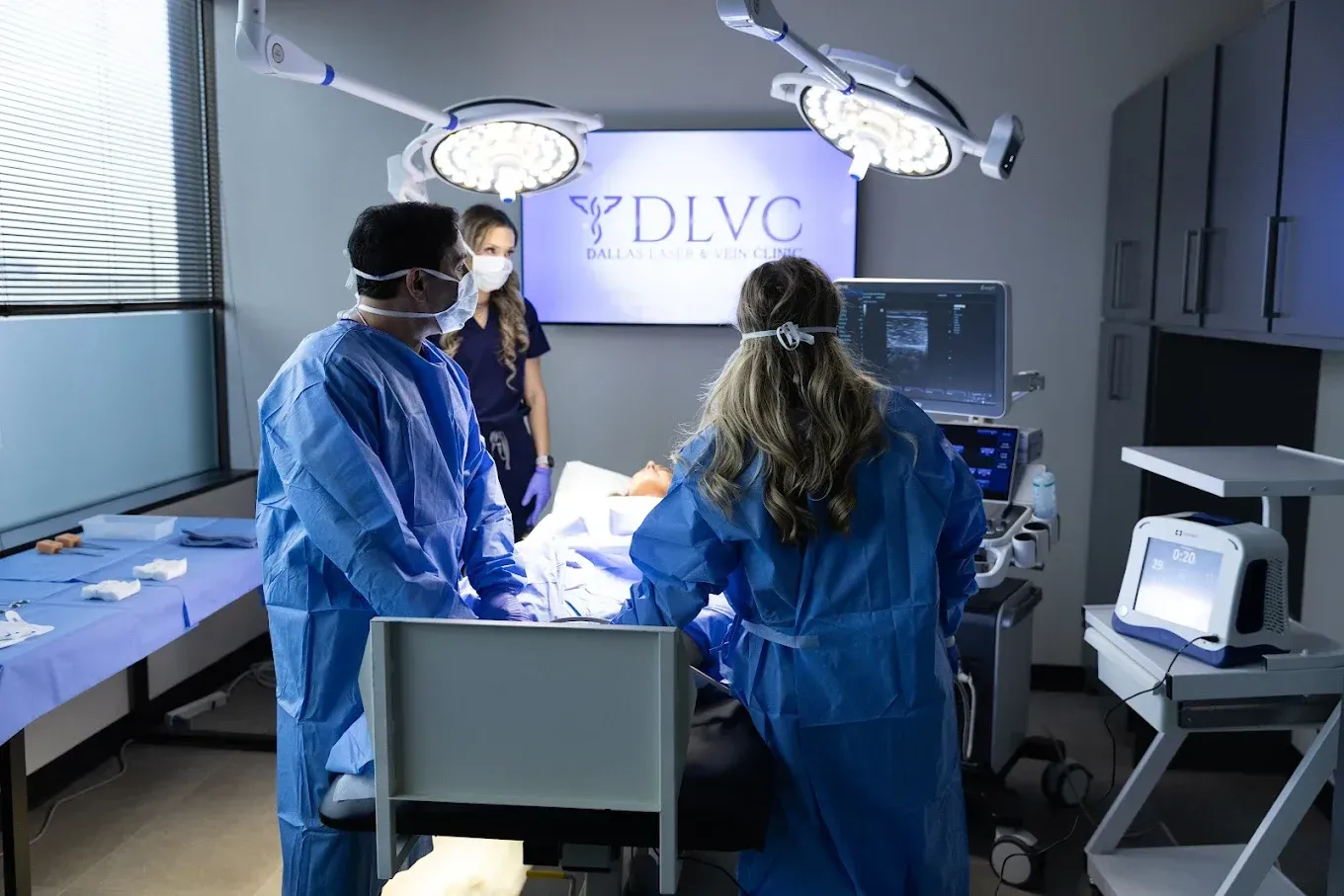
Managing varicose veins during pregnancy is an essential aspect of maintaining overall maternal health and comfort. By understanding the causes, recognizing early symptoms, and seeking timely varicose vein treatment, expectant mothers can reduce the risk of complications and improve their daily quality of life. Proactive care, including regular check-ups and lifestyle adjustments, plays a key role in supporting healthy circulation and minimizing discomfort. With the right approach, women can navigate pregnancy more confidently while prioritizing both their well-being and that of their developing baby. Schedule a consultation at Dallas Laser & Vein Clinic – Dallas Vein Center with Dr. Ammar Jarrous to explore effective vein treatments and regain comfort and confidence.